
Proctors Theatre Information
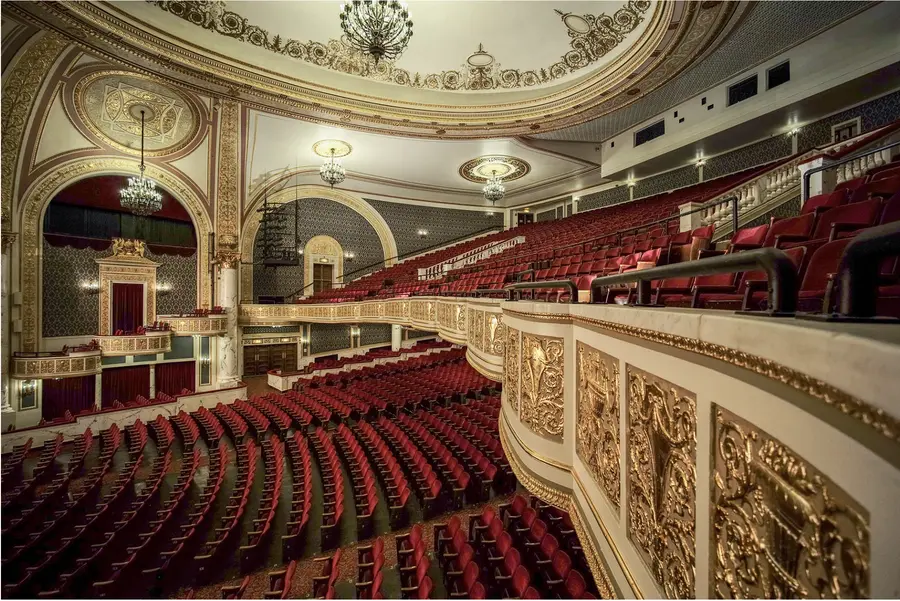
Proctors Theatre is a historic gem in the Capital Region. This in-depth guide covers its rich history, vibrant atmosphere, state-of-the-art equipment, management, what visitors can expect, concessions, and other essential information for event goers. Whether you’re attending a Broadway show, concert, or special event, this venue offers a blend of old-world charm and modern amenities.
History
Proctors Theatre has a storied past that dates back to the early 20th century. Founded by Frederick Freeman Proctor, dubbed the “Dean of Vaudeville,” the theater’s origins trace to 1912 when he leased his first venue in Schenectady near the Erie Canal. By 1919, the city’s population boom, fueled by industries like General Electric and the American Locomotive Company, prompted the construction of a grander space. Groundbreaking occurred on April 14, 1925, with architect Thomas Lamb designing the Italian Baroque-style building featuring Egyptian motifs. The $1.5 million theater opened on December 27, 1926, to massive crowds, showcasing films like “Stranded in Paris” and vaudeville acts.
In its early decades, Proctors thrived during Hollywood’s Golden Age and the big band era, hosting icons like Cab Calloway, Duke Ellington, Bob Hope, and even the first public television demonstration in 1930 by Dr. Ernst F. W. Alexanderson. However, post-World War II challenges, including television’s rise and suburban migration, led to decline.
By the 1970s, it faced foreclosure and potential demolition. A community effort in 1977 formed the Arts Center and Theatre of Schenectady, Inc. (ACTS), which raised funds and reopened the venue in 1979 after extensive repairs. Renovations continued, including a 1983 installation of the Mighty Wurlitzer organ, 1999 air conditioning, and a major 2003–2005 expansion that tripled the stage size for Broadway tours. Further enhancements in 2007 added the GE Theatre and Apostrophe Café, while 2015 restorations by EverGreene Architectural Arts revived its original glamour.
Alliances with venues like Universal Preservation Hall in 2018 and the 2016 Adeline Graham Theatrical Training Center (the Addy) expanded its scope. Listed on the National Register of Historic Places in 1980, Proctors has earned awards for preservation and remains a cultural anchor, symbolizing Schenectady’s revitalization.
Atmosphere
The atmosphere at Proctors is a captivating mix of historic elegance and lively energy, making it a beloved spot for theater enthusiasts. The ornate interiors – featuring a plaster ceiling with gold accents, a massive chandelier, and a mural by Danish painter August Lundberg – evoke the grandeur of 1920s vaudeville houses. Restored to its former glory, the space feels intimate yet majestic, with plush seating and intricate details that transport visitors back in time. Event goers often describe it as welcoming and vibrant, with a sense of community buzzing in the air. Broadway shows bring excitement, while film festivals and local performances add a cozy, neighborhood feel.
The arcade entrance, lined with shops, enhances the pre-show anticipation, and the venue’s role in downtown Schenectady’s revival contributes to a positive, revitalized urban vibe. Reviews highlight the comfortable ambiance, roomy facilities, and enthusiastic crowds, though it can get crowded during peak events. Overall, it’s an immersive experience where history meets modern entertainment, fostering civic engagement and cultural richness.
Equipment
Proctors boasts professional-grade equipment suitable for high-caliber productions. The MainStage features a proscenium 50 feet wide by 23.5 feet high, with a stage depth of about 59 feet and a grid height of 72 feet. The fly system includes 85 single-purchase linesets with 30,000 pounds of counterweight capacity, and a hydraulic pit lift for orchestra setups. Lighting is robust, with over 300 Source Four fixtures (various degrees), follow spots, and EOS Titanium control consoles. Sound systems include d&b Q series line arrays, Meyer subwoofers, and an array of microphones like Shure SM58s and Sennheiser models, plus a Media Matrix digital mixer.
Projection capabilities feature high-lumen Eiki projectors and a 48×20-foot screen. Backstage amenities include 18 dressing rooms with private baths, wardrobe facilities (washers, dryers, steamers), and miscellaneous items like risers, pianos (including a Steinway D), and a forklift. This setup supports everything from Broadway tours to concerts, ensuring seamless technical execution.
Who Manages It
Proctors is managed by the Proctors Collaborative, a nonprofit organization dedicated to performing arts, education, and economic development in the Capital Region. Evolving from the 1977-formed ACTS, which saved the theater from demise, the Collaborative oversees operations, programming, and alliances with venues like Capital Repertory Theatre and Universal Preservation Hall. Key figures include production managers and technicians who handle daily operations. The organization emphasizes sustainability, community engagement, and arts education through programs like the Collaborative School of the Arts and the Addy center. Funding comes from tickets, donations, and partnerships, ensuring Proctors remains a vital cultural hub.
What to Expect
Attending an event at Proctors is straightforward and enjoyable. Doors typically open 30 minutes before curtain, with ushers guiding you to seats numbered logically (e.g., even on right center). Expect a mix of Broadway spectacles, films, concerts, and local acts in a 2,649-seat theater (including pit). Late arrivals may wait for breaks, and weather doesn’t warrant refunds unless shows cancel. The venue is family-friendly, with booster seats available, but check age restrictions. Security is standard; bags may be checked. With its central location, anticipate urban energy, but arrive early for parking. Overall, prepare for an engaging, high-quality experience with professional production values.
Concessions
Concessions at Proctors enhance the experience with convenient options. Stands offer snacks like candy, popcorn, and beverages, available pre-show and at intermission, and they’re permitted in the auditorium. The Apostrophe Café in the arcade provides more substantial fare, including breakfast, lunch platters, desserts, and pre-order meals for shows (order 48 hours in advance). Nearby restaurants cater to pre- or post-show dining. Prices are reasonable, and the setup ensures quick service to minimize lines, adding to the venue’s hospitable vibe.
Additional Information
For event goers, practical details make visits smoother. Parking is free in the Schenectady Municipal Garage after 5 p.m. weekdays and weekends, with street options nearby. Accessibility is excellent: wheelchair seating, restrooms, elevators, assisted listening devices, ASL interpretation, and GalaPro captioning for select shows. The venue is step-free with designated entrances. Tickets are available online (atproctors.org only), by phone (518-346-6204), or at the box office; gift cards and group sales are offered. Nearby hotels and public transport make it convenient. Volunteer opportunities exist, and the site hosts educational programs. Check the calendar for events, and note no refunds for non-attendance. Proctors prioritizes safety and inclusivity for all.
For more information on the Proctors Theatre see the pages below:
Proctors Theatre Parking:
Read parking information and directions for the Proctors Theatre.
Ticket Policies:
Read ticket policies, ticket verification and refund policies.
Proctors Theatre Seating Chart:
View the Proctors Theatre seating map and read related seating information.